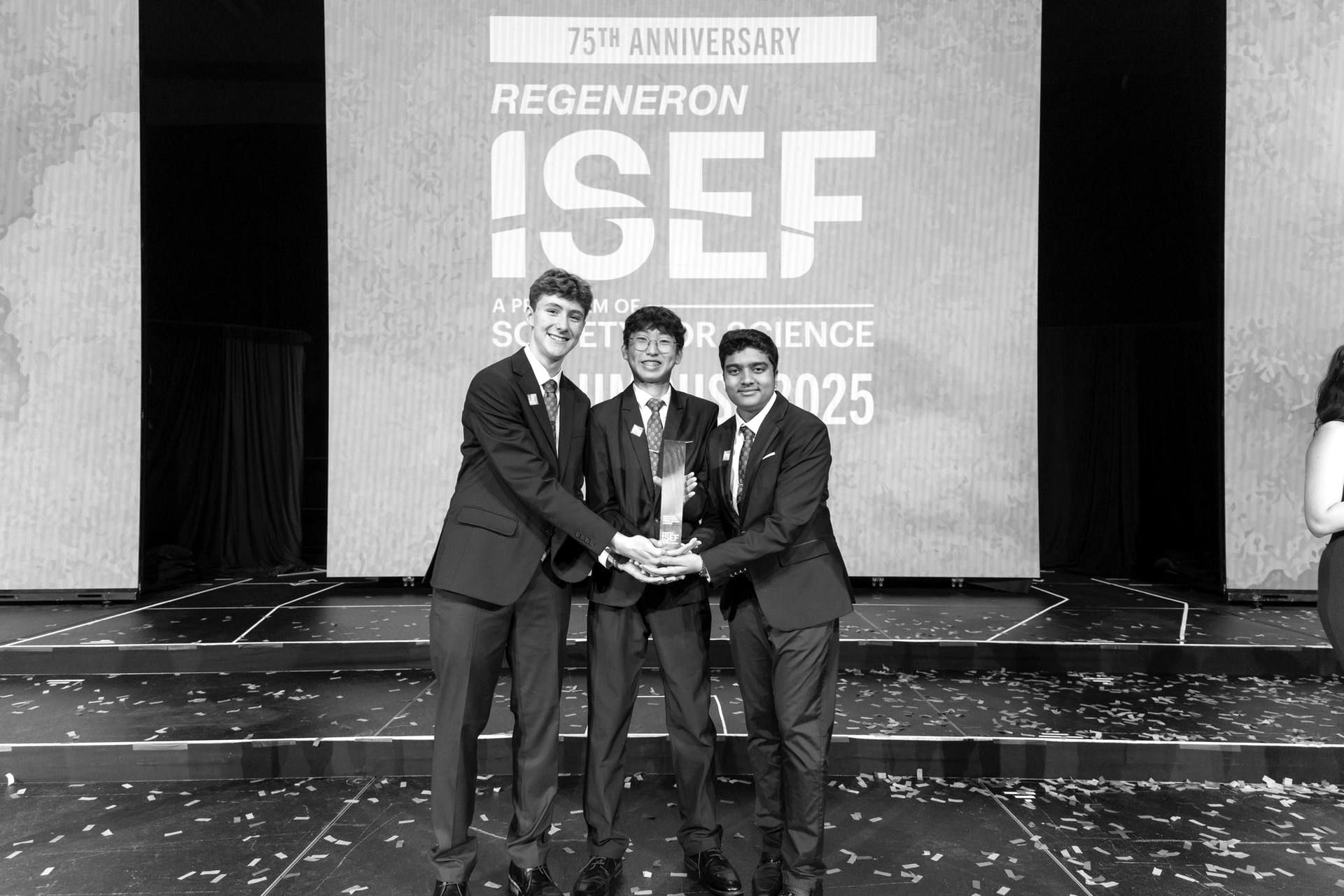
His first science fair
1st
in the world at Regeneron ISEF 2025, Biomedical Engineering, plus the $50,000 Gordon E. Moore Award, one of the fair’s highest honors.
The brain’s clearest signals sit behind bone.
Reaching them today means surgery.
He builds ways around it.
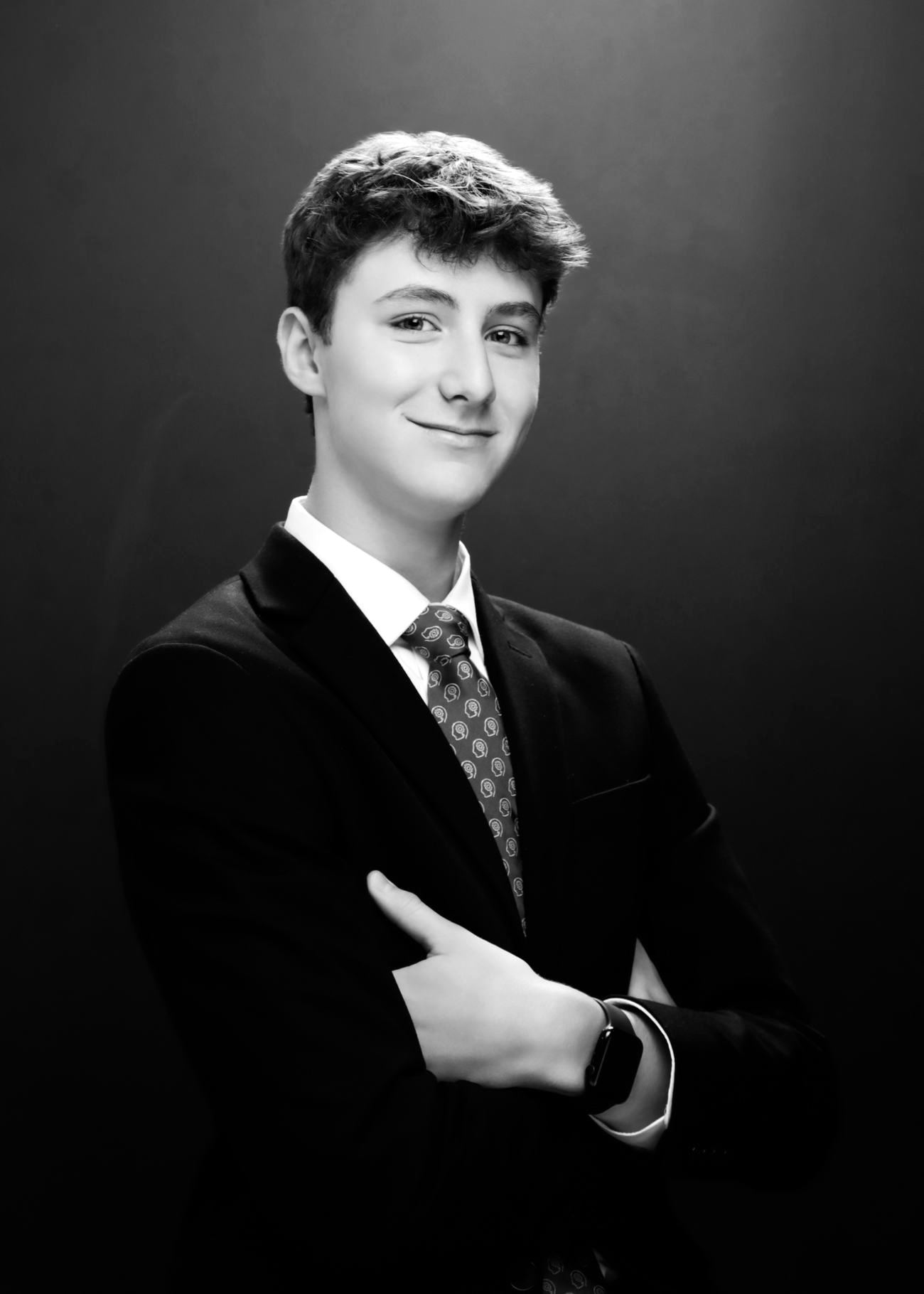
Science fair, robotics and DECA. In his first year of each, he placed internationally.
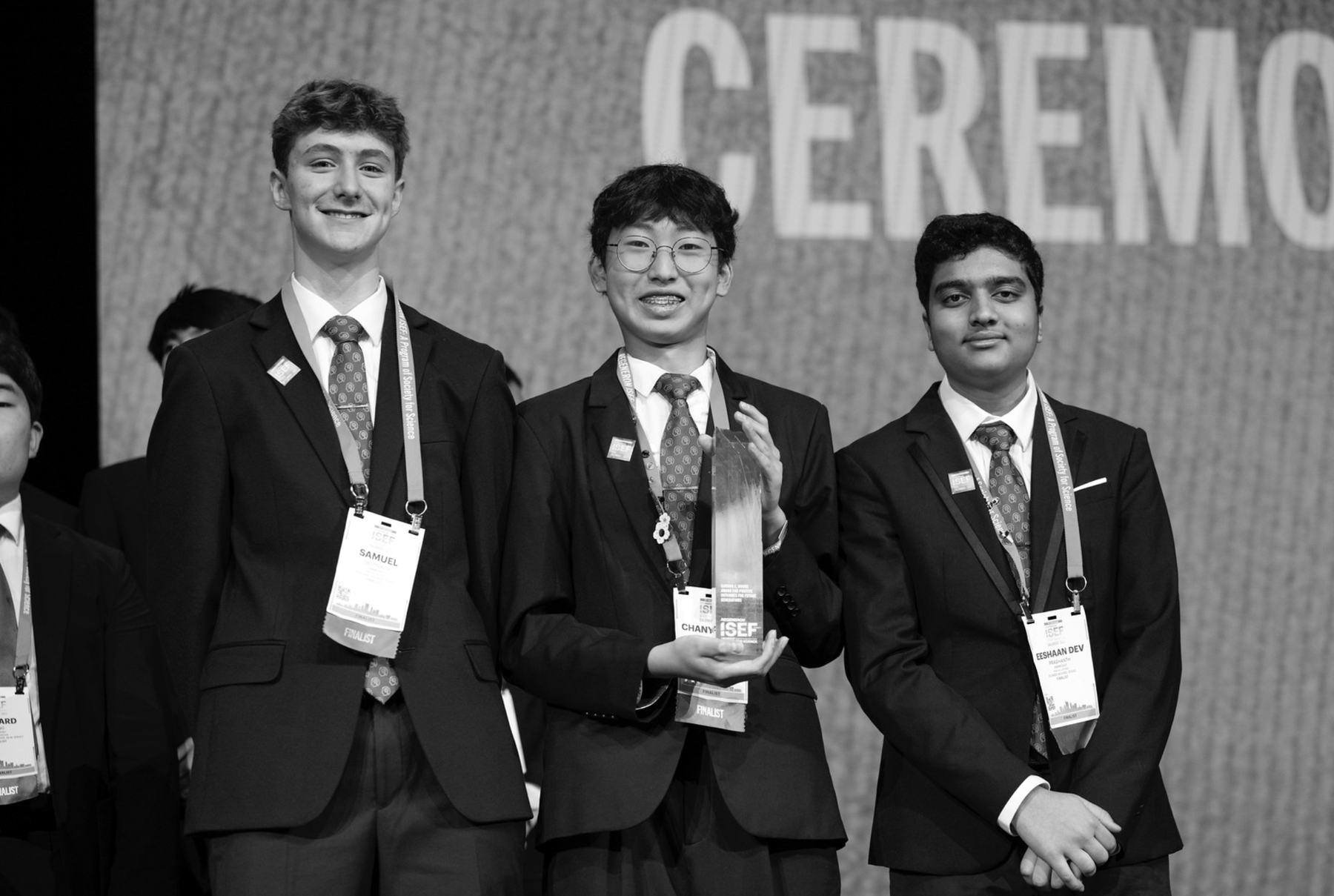
His first science fair
1st
in the world at Regeneron ISEF 2025, Biomedical Engineering, plus the $50,000 Gordon E. Moore Award, one of the fair’s highest honors.
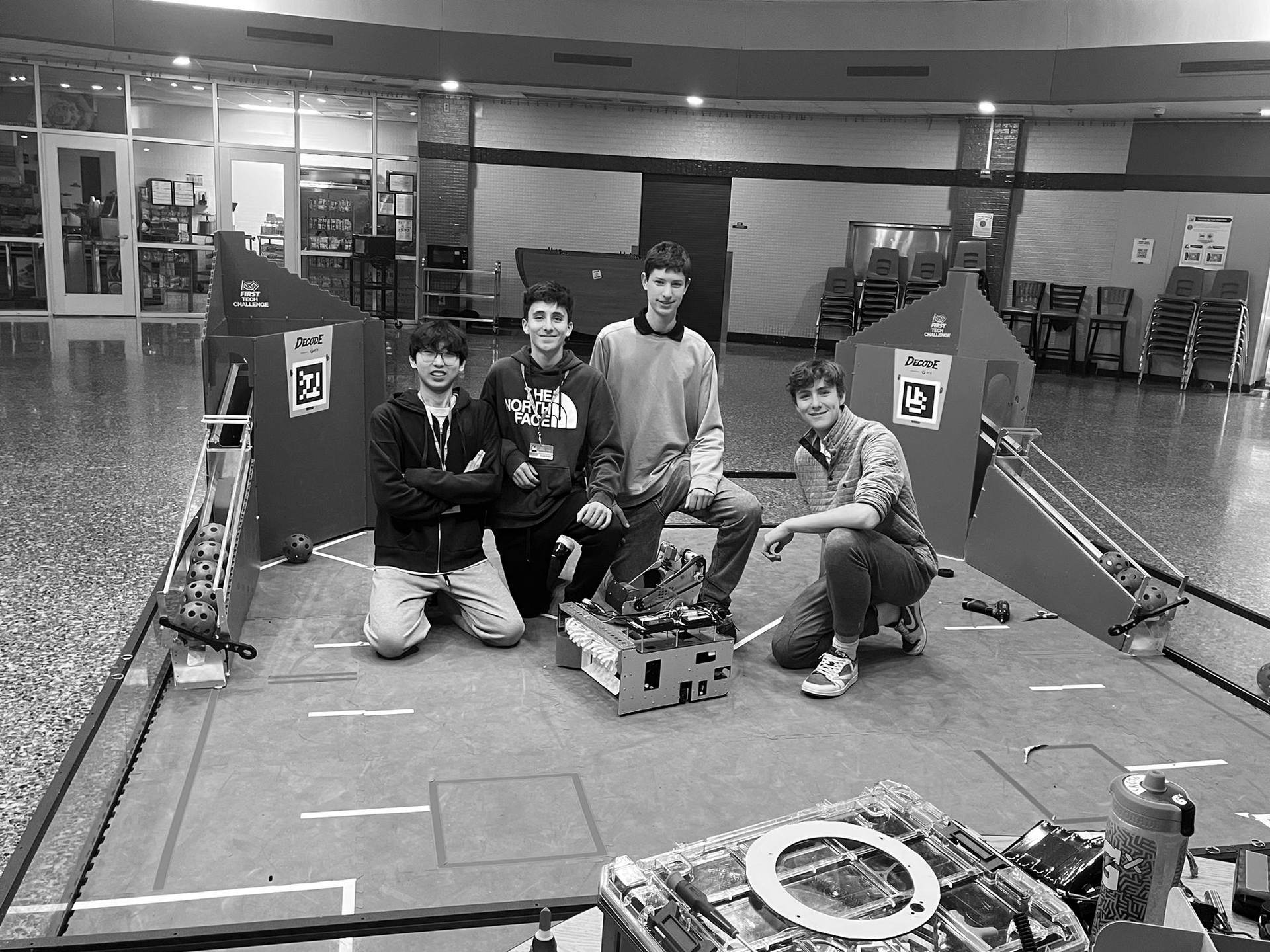
His first year of robotics
Top 1%
of student leaders worldwide. A FIRST Dean’s List Finalist, one of 176 chosen from about 56,000.

His first year of DECA
2nd
in the world at DECA International’s Sustainable Water Challenge, after fourth place in DECA’s National Pediatric Cancer Foundation challenge.
Three inventions, each one built to remove a limit the last one exposed.
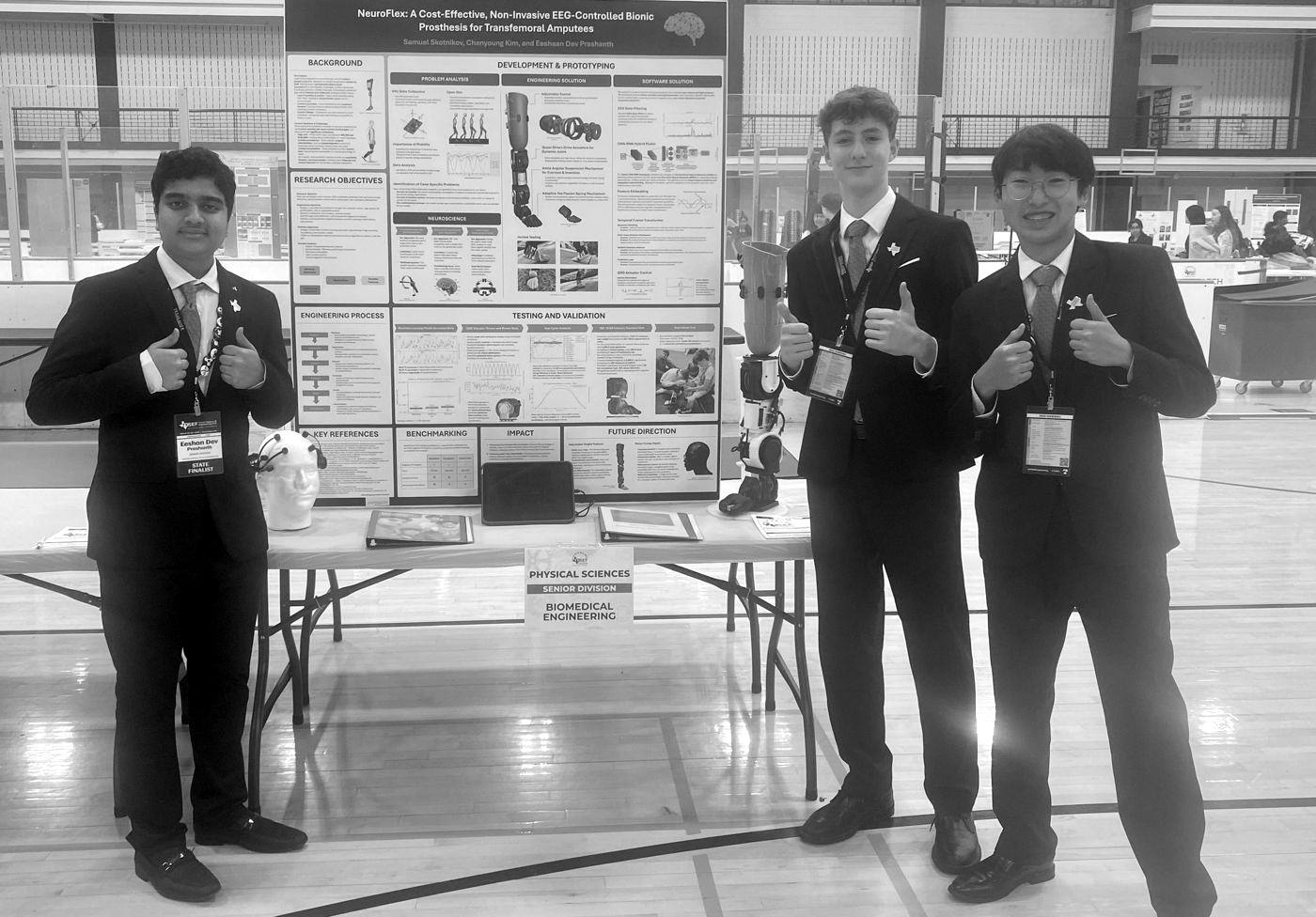
A prosthetic leg that moves when you think.
An EEG-controlled bionic leg, built for a friend. First place in Biomedical Engineering at Regeneron ISEF 2025.
Brain signals, read through the skin.
A photoacoustic wearable that listens to the brain with pulses of light. No incision.
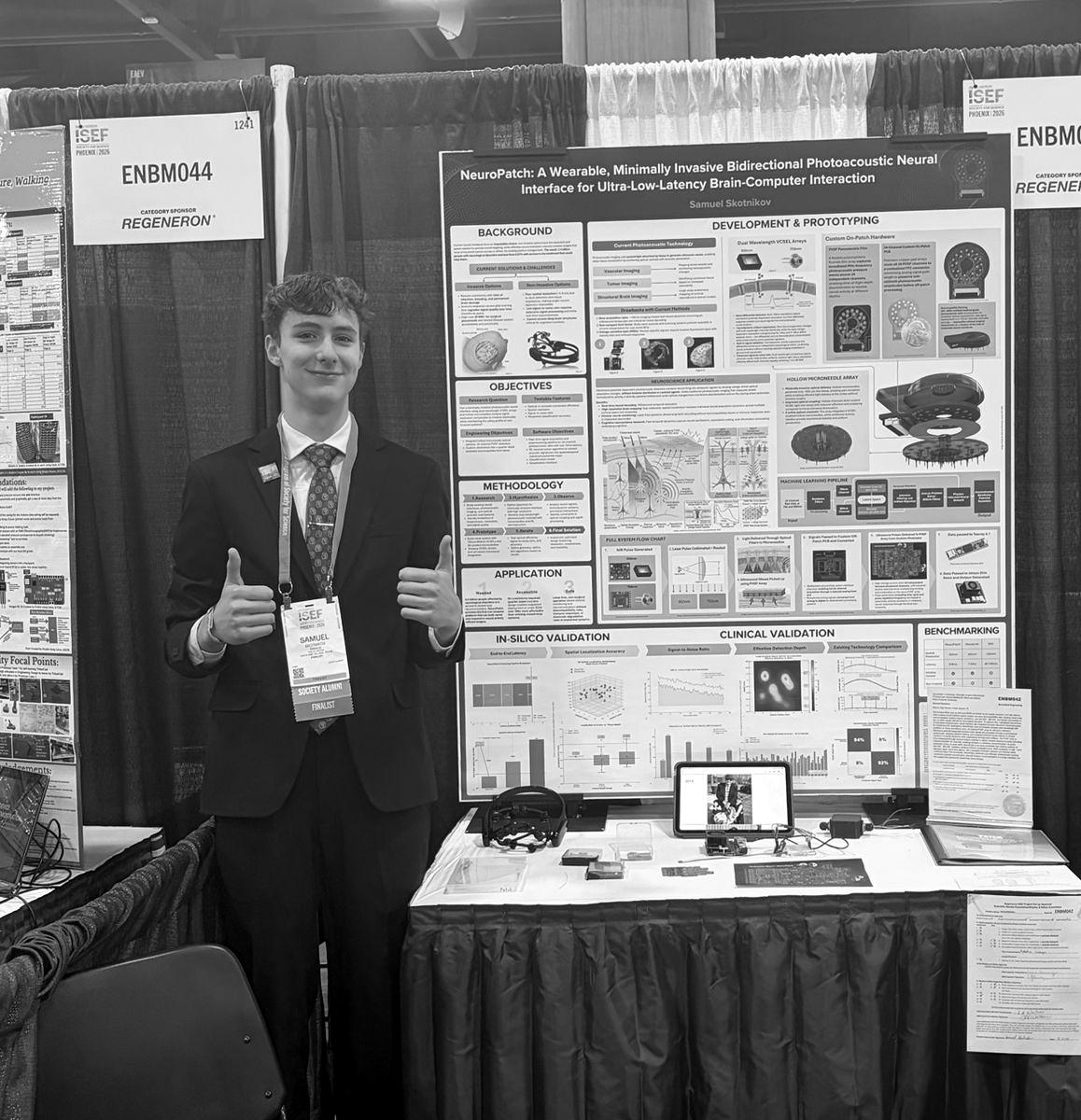
Focused ultrasound through the intact skull.
The neurotechnology company he co-founded, building a way for people who have lost their voice to speak again. No implant. No operating room.
Leadership and service outside the lab.

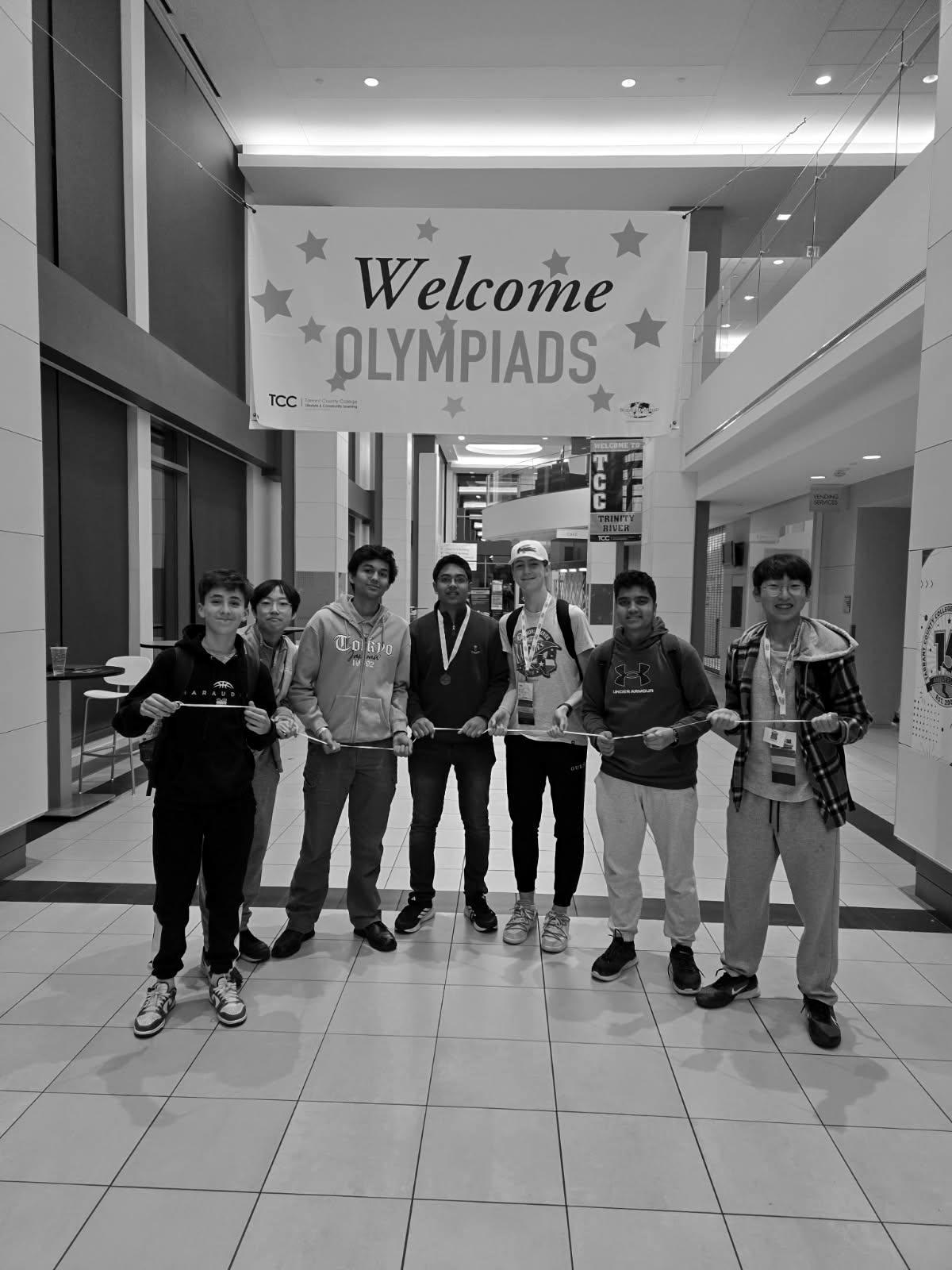
He arrived at Harvard in 2026 with a company, a patent filing, a national audience and a problem big enough to fill a lifetime: connecting the human brain to the world without a single incision. Through Dromos Partners, he mentors the next generation of young scientists on the way.
Most people would call that the end of a remarkable story. For Skotnikov, it is the opening move.